The short answer: yes, severely. The longer answer involves cabin temperatures of 160–190°F, UV exposure that breaks down dye and tanning chemistry, and a clear protocol that protects $15,000–$40,000 in OE leather.
Las Vegas heat damages leather car interiors faster than almost any other climate in the United States. Surface temperature inside a parked vehicle in direct sun reaches 160–190°F. UV index May through September is rated 10–12 (extreme). Cabin humidity swings from 8% mid-summer to 60% during monsoon. The combination strips natural oils from leather hides, fades aniline and semi-aniline dyes, hardens topcoats, cracks bolsters, and accelerates stitching failure on every panel exposed to sun. On a Ferrari, Bentley, or Rolls-Royce, OE leather replacement runs $15,000–$40,000 depending on the spec — not counting carbon, Alcantara, or contrast piping. At REVCity Auto Storage — 7185 Bermuda Rd, Las Vegas NV 89119, 725-272-1803 — client vehicles are stored at 50–70°F and 40–50% relative humidity with zero UV exposure. The leather chemistry below explains why the cabin environment matters more than any conditioner you can buy.
Leather is a biological material. Tanning stabilizes it, dyeing colors it, finishing seals it — but the underlying collagen and oil structure is still fundamentally an animal hide. Heat and UV attack each layer differently. Las Vegas combines all three failure mechanisms in one parking lot.
Different damage modes appear at different intervals. The first six months are cosmetic. Year two starts producing structural failure. Year five produces irreversible damage requiring full reupholstery.
The leather care market sells the idea that conditioner solves heat damage. It does not. Conditioner replaces some surface oil, slows further drying, and improves cosmetic appearance — but it cannot rebuild broken collagen, restore faded dye, or repair cracked topcoat. Conditioner is preventive maintenance, not a repair tool. Related: Ceramic Coating vs Paint Protection Film for Las Vegas Heat.
Knowing what your vehicle came with from the factory matters when you are deciding how to protect it. Aniline-dyed full-grain leather (the premium spec) is more vulnerable to UV than pigmented leather, but more expensive to replace. Different grades require different protection priorities. Related: How Las Vegas Heat Destroys Car Tires (And How to Prevent It).
If the vehicle is driven daily, the protection protocol focuses on minimizing solar load during parking. If the vehicle is collector / stored, the protocol focuses on climate storage and zero direct sunlight. Both protocols belong on most owner profiles.
Daily driver protocol — reduce solar load:
Collector / stored vehicle protocol — climate first:
Most Las Vegas owners underestimate the cost of cumulative leather damage on luxury vehicles. The replacement market for OE-spec hide is small and labor-intensive. Documented examples from local restoration shops:
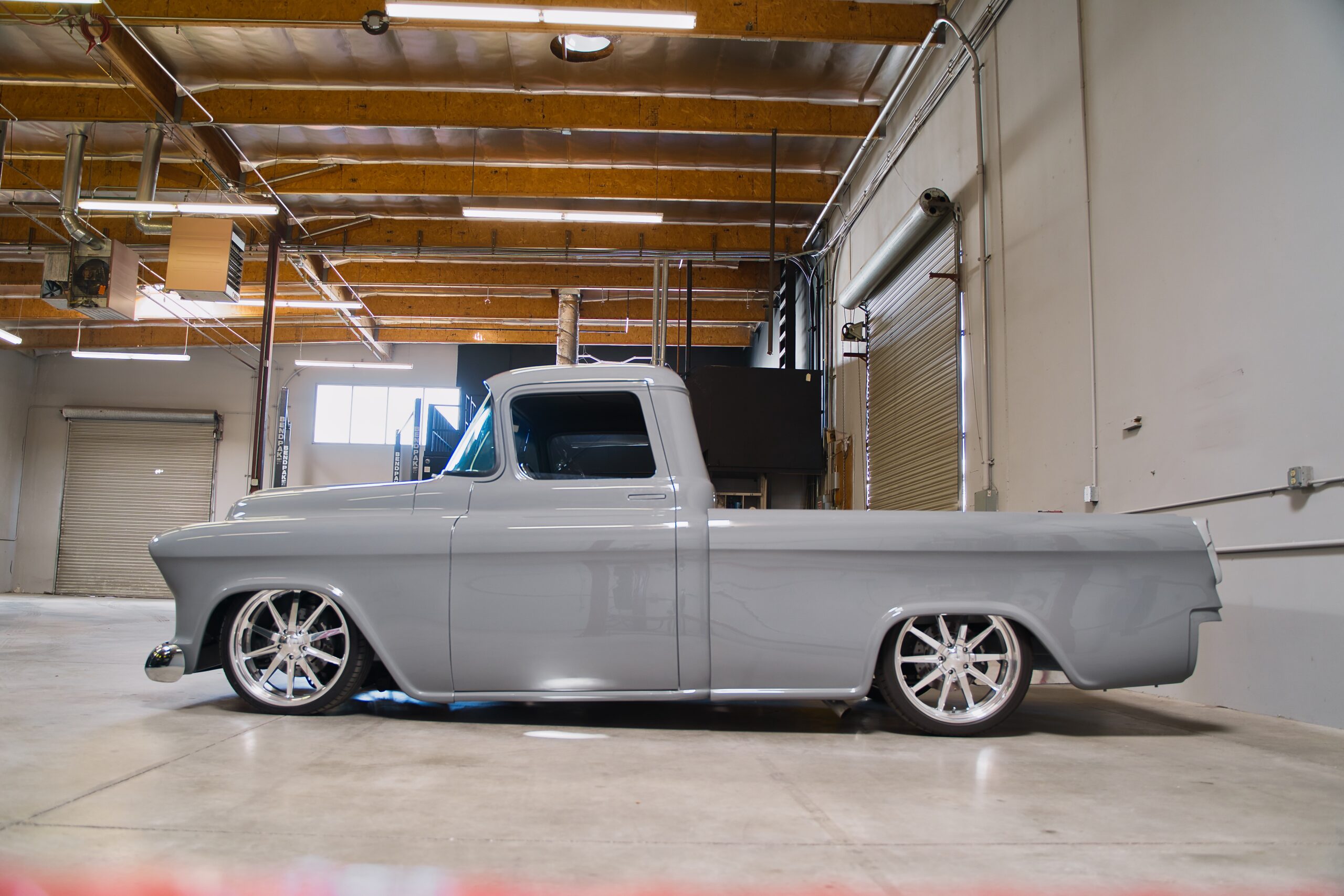
Zero UV. Zero heat-driven oil migration. Zero humidity-cycle stitch fatigue. BendPak 4-post lifts. Smart float chargers. 24/7 monitored gated access. Documented climate logs for Hagerty and Chubb agreed-value claims. Call 725-272-1803.