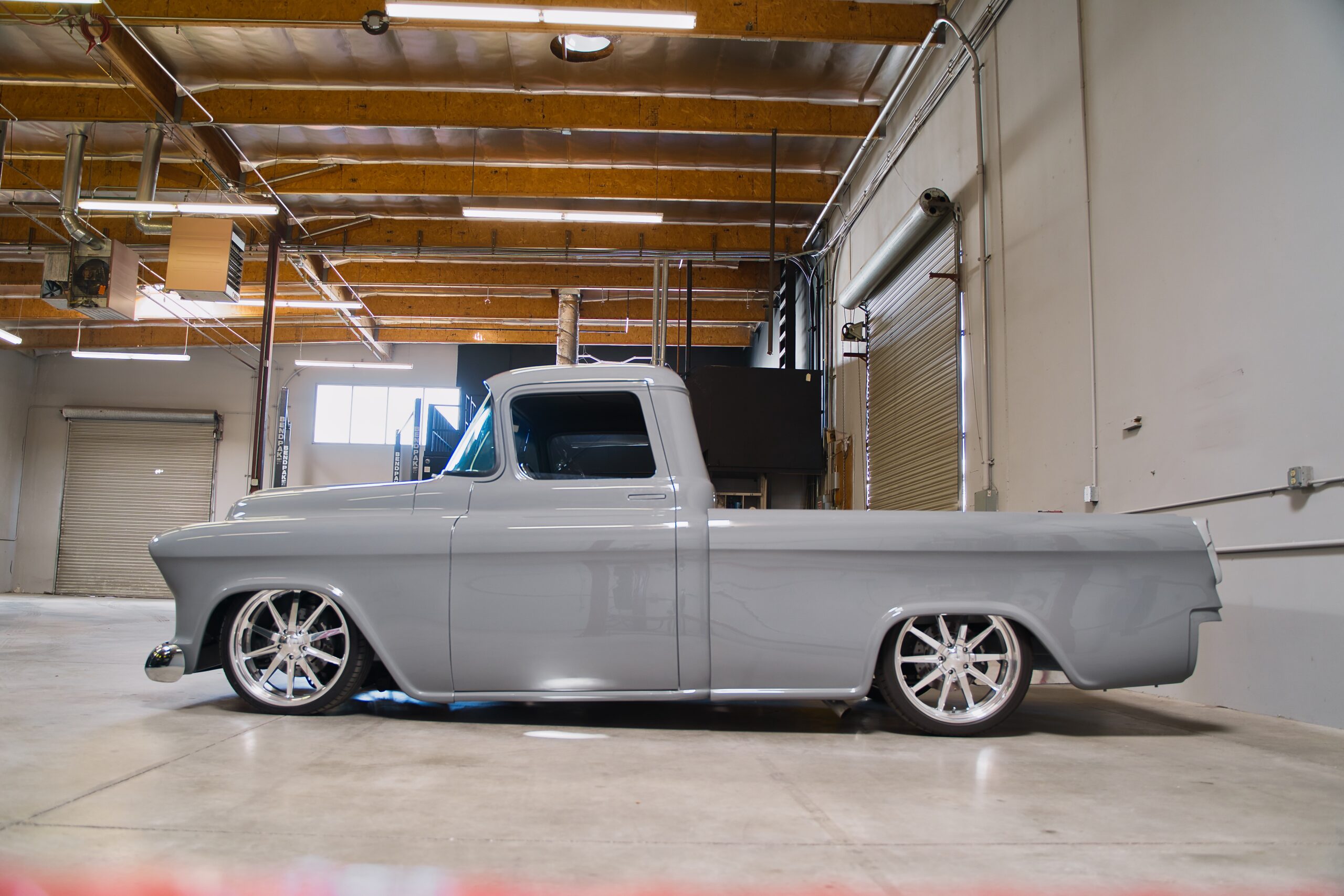
GT350R, GT500, and vintage 1965-1970 GT350/GT500. The flat-plane crank engine, the supercharger plumbing, and the original-era values all argue for the same storage standard.
A Shelby Mustang in Las Vegas demands a serious storage program. The 2020-2022 GT500 puts 760 horsepower through a supercharged 5.2L Predator V8 and a Tremec dual-clutch gearbox — both unhappy in 130°F summer storage. The 2015-2020 GT350 uses the flat-plane-crank Voodoo V8 that does not like extended sit time. And the vintage 1965-1970 GT350 and GT500 cars carry Hagerty valuations from $150,000 to over $1 million, with a Carroll Shelby provenance that auction houses scrutinize at every transaction. REVCity Auto Storage at 7185 Bermuda Rd, Las Vegas NV 89119 stores all three generations under the same Hagerty-grade protocol. Call 725-272-1803 for current availability.
Vintage (1965-1970): GT350, GT500, GT500KR. Carroll Shelby’s original production cars are now blue-chip collector assets. A documented 1965 GT350 with original 289 Hi-Po sits around $250,000-$350,000 on Hagerty’s #2 condition index. A real 1968 GT500KR with Marti report and Shelby American documentation has crossed $400,000 multiple times. Original-paint, original-engine cars get protected differently — these are not driver-grade Mustangs, they are appreciating assets with audit trails. The Hagerty agreed-value policy on a $400K GT500KR explicitly references storage conditions on the renewal questionnaire.
S550 (2015-2020): GT350, GT350R. The Voodoo 5.2L flat-plane-crank V8 is the most exotic factory Mustang engine ever produced. The flat-plane crank delivers a 8,250 RPM redline and a sound profile closer to a Ferrari 458 than a Coyote-era Mustang. It is also intolerant of oil that has been allowed to settle and acidify during long storage. The factory Tremec TR-3160 six-speed manual carries Castrol BOT 350 M3 fluid that breaks down faster than conventional gear oil if the car sits in heat.
S550/S650 (2020-2022, 2024+): GT500, Dark Horse. The supercharged 5.2L Predator V8 produces 760 horsepower and routes through a Tremec TR-9070 seven-speed dual-clutch gearbox. The supercharger intercooler circuit is sensitive to algae growth above 100°F coolant temp. The DCT clutch packs require active oil management — Ford specifies an oil change at every 30,000 miles, but long storage in heat can accelerate clutch-pack varnish formation.
The Voodoo flat-plane V8 in the 2015-2020 GT350 runs a tighter oil ring-pack tolerance than a conventional Coyote. When the car sits in a 125°F garage for 30 days, the oil migrates off the cylinder walls and the ring lands hold residual moisture. The first cold start after long storage can throw a cloud of smoke out of the dual exhaust — sometimes mistaken for a head gasket failure, but actually just oil burn-off from poor storage. A 50-70°F storage envelope eliminates the migration entirely.
The Predator V8 in the GT500 runs an Eaton TVS R2650 supercharger on top of a forged-internals 5.2L block. The intercooler circuit uses a dedicated low-temperature radiator and a separate water pump. In heat storage, the coolant in that circuit grows microbial film — the same problem that affects the GT, the Lightning, and any other supercharged Ford. Owners discover this when they fire the car after six months and the coolant temp climbs faster than it should.
Hagerty-recommended band. Verified by independent data logger. Documented log available for policy renewal.
Below 30% and the original 1968 GT500 vinyl interior cracks. Above 60% and the chrome on the original Mustang grille blooms. The 40-50% band is the long-established preservation standard.
Original Goodyear Polyglas reproductions and modern Michelin Pilot Sport Cup2 both flat-spot at the same rate under static load. Lift the car — problem gone.
CTEK MXS 5.0 or NOCO Genius 5. Not trickle chargers. AGM-compatible profile for original-style flooded batteries and modern AGM equivalents.
PRI-G or Sta-Bil 360 added on intake, fuel system protected against ethanol-driven phase separation during the storage term.
Climate, humidity, lift status, battery tender voltage, fuel additive date. Standard package for every car. Required for Hagerty policy diligence on vintage cars.
A 2020-2022 GT500 with 5,000 miles on the clock and a clean Carfax sells in the $90,000-$120,000 band. The factory carbon fiber wheel package, the carbon fiber instrument cluster, and the Recaro seats all add value — and all degrade under heat. Hagerty data shows that a GT500 with documented storage history retains roughly 8-12% more value at resale than a comparable car with an unknown garage history. On a $100,000 car, that is $8,000-$12,000 of real money — every year of REVCity storage pays for itself multiple times over against the resale delta.
A vintage 1965-1970 Shelby is a different calculation. The $400K GT500KR loses value catastrophically if the original paint shows heat-blister damage on the hood, if the original interior splits at the seam stitching, or if the original Goodyear Polyglas reproduction tires develop flat spots from a static load on a heated concrete floor. Read the Las Vegas heat damage guide for the underlying mechanism. The summary: every season in a Las Vegas residential garage strips a small percentage of resale value off the car.
| Factor | Las Vegas Residential Garage | REVCity Auto Storage |
|---|---|---|
| Temperature swing (annual) | 40°F to 130°F (90°F swing) | 50°F to 70°F (20°F swing) |
| Voodoo V8 oil migration risk | High after 30+ days | Negligible |
| Predator supercharger circuit | Microbial film at >100°F coolant rest | Stable, monitored |
| Vintage paint stress (heat cycling) | Cumulative damage every summer | None |
| Tire flat-spotting | 30 days static load = visible flat spot | Lifted on BendPak — zero load |
| Hagerty agreed-value renewal | May require storage rider | Meets baseline |
| Resale documentation value | None | Climate log included |
The vintage Shelby market is unusually paperwork-driven. The Shelby American Automobile Club (SAAC) Registry is the canonical source for whether a 1965-1970 GT350 or GT500 is what the seller claims it is. SAAC maintains build records sourced from Shelby American Inc., Ford Motor Company, and dealer documentation. A 1968 GT500KR with a clean SAAC entry, a Marti Report, and an original Shelby American factory invoice can clear $400,000 at Mecum or Barrett-Jackson. A bike or car with provenance gaps sells for substantially less — sometimes 40% less for the same condition.
Storage history is a smaller but real piece of that paperwork trail. Auction houses ask for it. Buyers ask for it. Hagerty’s policy renewal team asks for it. A car that has documented climate-controlled storage at REVCity for the past five years tells the buyer that the owner protected the asset — and that the paint, interior, and engine bay condition reflects actual preservation, not just garage-queen presentation.
Carroll Shelby himself, when asked about his original 1966 GT350H “Rent-a-Racer” prototype in the 2000s, noted that the car had been stored in a climate-controlled facility in Texas for decades. The Shelby Trust still references that storage standard in its handling guidance for cars in the Carroll Shelby estate. REVCity meets that standard for Las Vegas owners.
REVCity Auto Storage — Las Vegas — 50-70°F, BendPak lifts, monitored 24/7. Call 725-272-1803.