The honest answer disagrees with conventional wisdom. Hagerty Insurance recommends against monthly idle starts entirely. Here is the engineering case and what to do instead.
Related reading: How Long Can Fuel Sit in a Stored Car in Las Vegas?.
The most common storage advice — “start the car once a month for 15 minutes to keep it healthy” — is wrong. Hagerty Insurance, the largest collector car insurer in the United States, explicitly recommends against monthly idle starts. The engineering reason: a cold-started, idling engine does not reach operating temperature, leaves condensation in the oil, deposits unburned fuel on cylinder walls, and produces more cumulative damage than no starts at all. The correct protocol is either drive the vehicle to full operating temperature (20+ minutes of highway driving every 30–60 days), or leave it stored undisturbed with a proper battery tender and climate control. Idle starts are the worst option. At REVCity Auto Storage — 7185 Bermuda Rd, Las Vegas NV 89119, 725-272-1803 — client vehicles are stored without monthly starts, at 50–70°F climate, on chemistry-appropriate battery float chargers. Drive-through exercise is available on request for vehicles stored 12+ months. The engineering basis below explains why.
A cold-started engine takes 10–30 minutes of operation to reach operating temperature on most modern vehicles. Operating temperature is required to: evaporate moisture from the crankcase, fully vaporize fuel in the combustion chamber, expand piston rings to proper clearance, and bring catalytic converter to light-off temperature. A 10–15 minute idle does none of these.
Hagerty Insurance writes the largest book of collector car policies in the US. Their position on storage starts has been published consistently for over a decade and is reinforced by claims data from millions of stored vehicles.
The correct protocol substitutes proper pre-storage prep and proper maintenance environment for the imagined benefit of monthly starts. Done correctly, the vehicle does not need to be touched for 6–12 months at a time.
A small number of vehicles do require periodic intervention beyond climate storage. These are exceptions, not the rule.
Cumulative damage from years of monthly idle starts is real but often not severe. The biggest risks are progressive: bearing wear, ring sticking, catalyst loading, sludge formation. Switching to correct protocol going forward stops the damage from progressing.
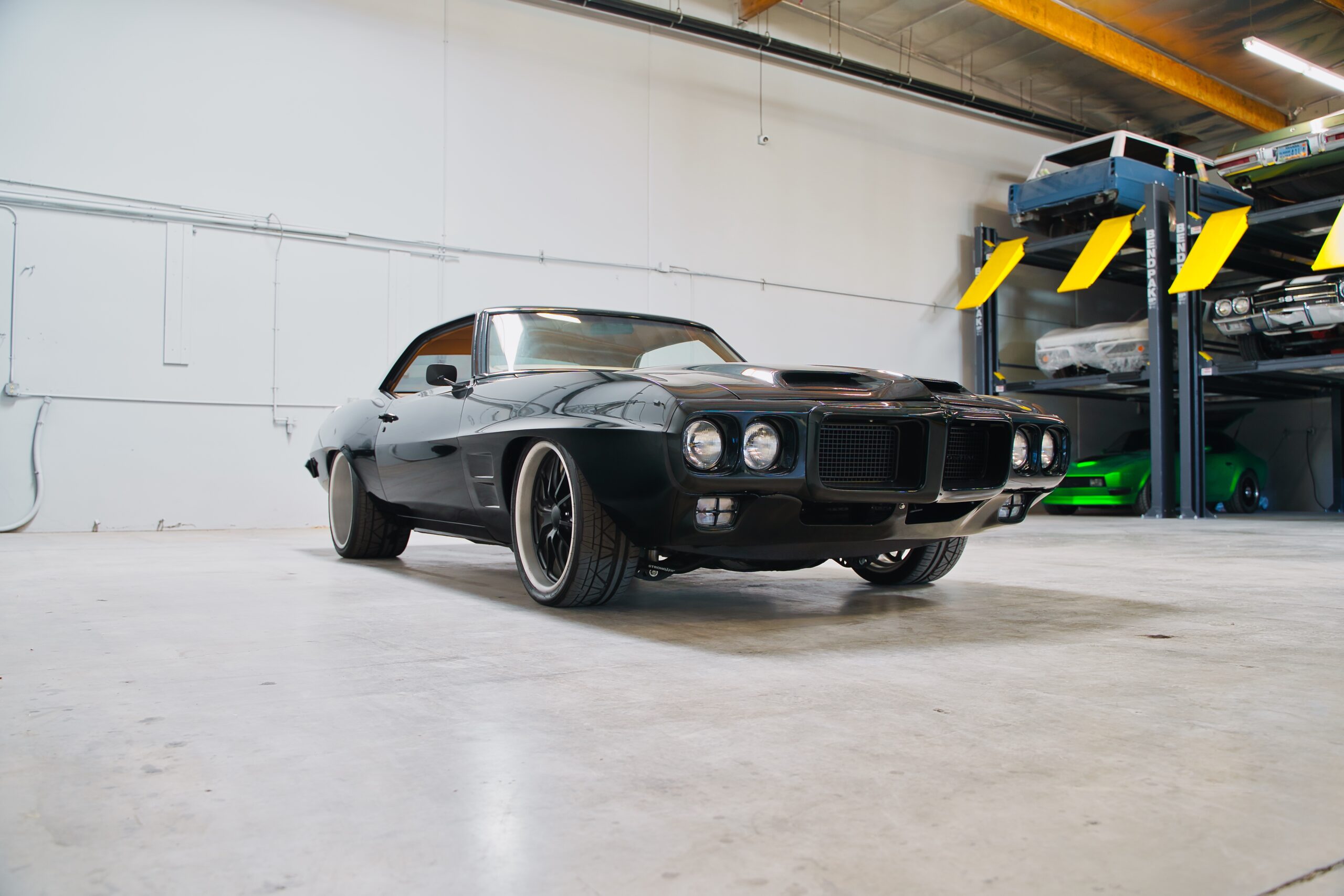
Climate-controlled 50–70°F + 40–50% RH. Chemistry-appropriate smart float chargers (AGM, lithium, gel cell) on every space. BendPak 4-post lifts. 24/7 monitored gated access. Drive-through exercise on request. Call 725-272-1803 to reserve.