Two very different technologies, two very different jobs. Here is exactly what ceramic coating and PPF each do against 115°F heat, UV 10–12 sun, and monsoon grit — and why storage still matters more than either.
Ceramic coating and paint protection film get lumped together, but they solve different problems — and in Las Vegas, where the UV index hits 10–12 and paint surface temperatures soak past 145°F, choosing wrong wastes real money. This guide breaks down what each actually protects against, what it costs, and why neither one replaces getting the car out of the sun. REVCity Auto Storage, at 7185 Bermuda Rd, Las Vegas NV 89119, keeps vehicles at 50–70°F in a UV-free building. Call 725-272-1803 to learn more.
Ceramic coating is a liquid nano-ceramic (typically SiO2 or SiC based) that chemically bonds to the clear coat and cures into a thin, hard, hydrophobic glass-like layer. Think of it as a permanent, high-performance wax replacement. It makes the surface slick, easy to clean, and far more resistant to chemical etching, water spots, and UV oxidation. It does not add meaningful physical thickness — a coating is measured in microns.
Paint protection film (PPF) is a thick, self-healing thermoplastic urethane film — brands like XPEL Ultimate Plus and 3M Scotchgard Pro — that is physically applied over the paint. It is a clear bra you can feel with a fingernail. Its job is impact absorption: rock chips, road debris, sand blasting, light scratches, and bug etching. Modern PPF also has UV inhibitors and self-heals minor swirls with heat, which the Las Vegas sun conveniently provides.
Ceramic coating protects against chemical and UV damage and makes cleaning easier. PPF protects against physical impact. They are complements, not competitors — the premium answer in a debris-heavy, high-UV climate is often PPF on high-impact panels with ceramic over the top.
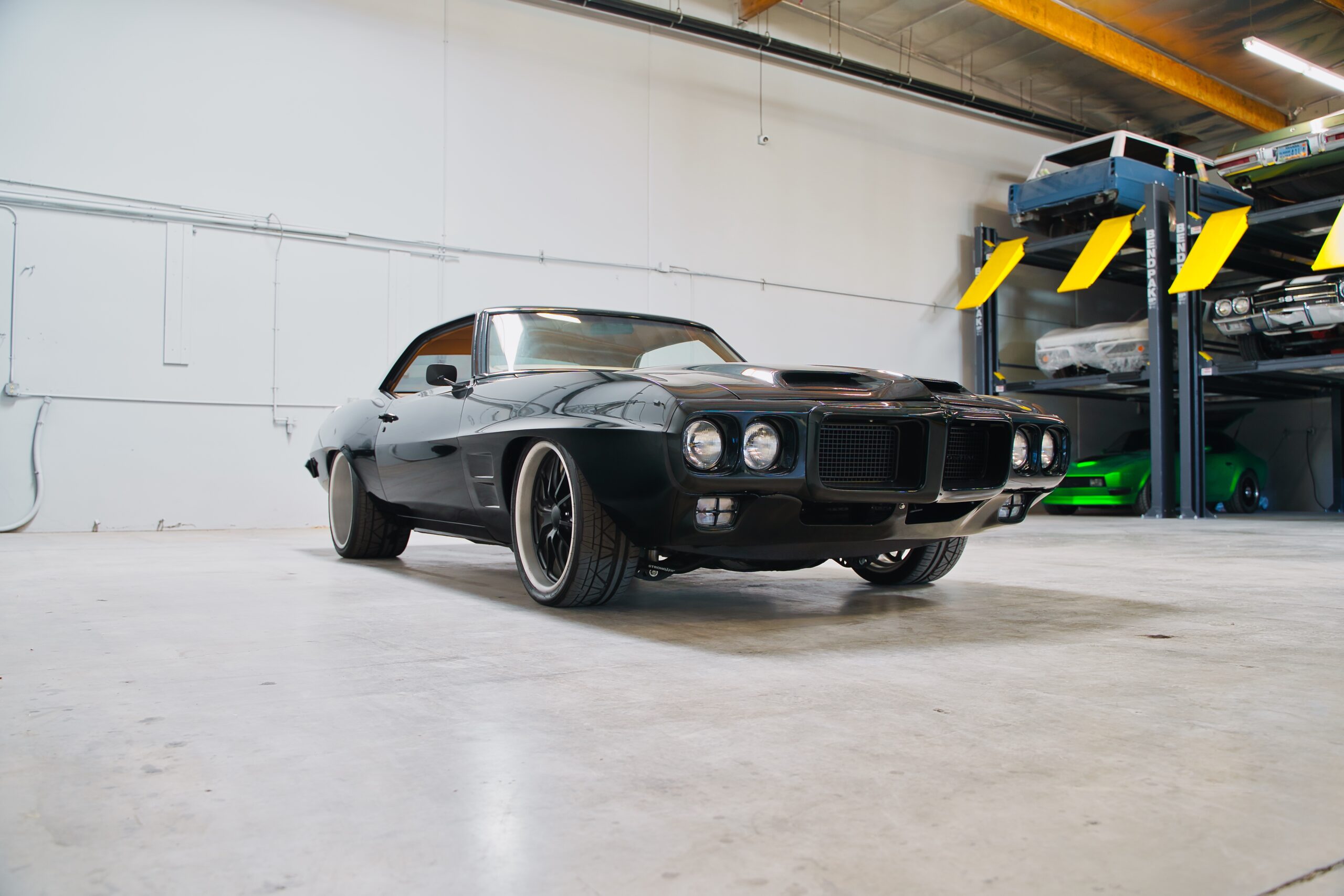
For a daily-driven exotic that eats I-15 debris and monsoon-season grit, PPF on the front clip, mirrors, and rockers is the higher-value spend — a single windshield-cowl rock chip repair on a Ferrari or McLaren can run $3,000–$6,000 in blended repaint. For a garage-kept collector car that mostly needs UV and oxidation defense, a quality ceramic coating delivers most of the benefit at a fraction of the price.
Here is what the detailing industry underplays: every protective layer degrades faster under heat and UV load. Ceramic coatings oxidize and lose hydrophobicity sooner when baked daily at 145°F-plus surface temperatures. PPF adhesives can yellow, lift at the edges, and cook when a car is parked in direct desert sun for months. Both products are rated in years — but those ratings assume normal conditions, not a car sitting in the Las Vegas sun where UV runs 10–12 on the extreme scale five months a year.
Sun and heat do damage that no film stops: interior leather cracking, dashboard warping, rubber and trim degradation, and the resale hit of up to 10% that UV and heat exposure inflicts on a vehicle. A clear bra does nothing for a cooked dashboard or a faded convertible top. The only thing that stops that is removing the car from the sun entirely — the full breakdown is in our Las Vegas heat damage guide.
That is the REVCity argument. A vehicle stored at 50–70°F and 40–50% humidity in a fully enclosed, UV-free building is not fighting the sun at all. Your ceramic coating lasts its full rated life instead of half. Your PPF adhesive never cooks. Your interior, tires, and fluids all age at the slow indoor rate. Coatings and film are worth doing — but they protect a car that still has to survive the environment. Storage removes the environment. See how a truly conditioned facility differs from a plain temperature-controlled unit in our climate-controlled storage comparison.
Buy PPF for impact, buy ceramic for UV and easy cleaning, and store the car in climate control to make both last. A $6,000 PPF job on a car that bakes outdoors is protecting the paint while the sun destroys everything the film does not cover.
The right answer depends on how the car is used, not on which product a shop wants to sell. Break it down by scenario. A daily-driven exotic or supercar that racks up freeway miles is a PPF-first car — the front bumper, hood, fenders, mirrors, and rocker panels take constant rock and debris strikes on I-15 and the 215, and a full-front or track-package PPF wrap pays for itself the first time it eats a rock that would otherwise have chipped $4,000 of paint. Add ceramic on top for gloss, oxidation defense, and easy washing.
A weekend or garage-kept collector car that mostly needs to look immaculate and resist oxidation is a ceramic-first car. It rarely sees debris, so the impact protection of PPF is lower value, while ceramic’s UV and chemical resistance directly fights the Las Vegas sun’s effect on clear coat. A show car or concours piece may warrant full PPF plus ceramic simply because the paint is irreplaceable and originality matters. And a brand-new car of any kind is the ideal moment to apply either, because the paint is still flawless underneath. Related: Las Vegas Dust Storm (Haboob) Car Protection.
Both products need care, and Las Vegas makes that care non-optional. Hard water is the enemy of a ceramic coating’s look — the valley’s mineral-heavy water leaves spots that etch if left to bake on a hot panel, so wash in shade, dry immediately, and use a dedicated ceramic-safe shampoo. A yearly ceramic maintenance topper or booster restores hydrophobicity that desert UV wears down. PPF needs its edges inspected for lifting, especially after a summer of heat, and any trapped contamination under a lifted edge should be addressed before it spreads.
None of this maintenance stops the underlying clock, though. Every wash, every topper, every edge repair is you fighting an environment that runs UV 10–12 and 115°F for months. A car that spends its downtime at REVCity in a conditioned, UV-free building needs dramatically less of this upkeep, because the coating and film are not being cooked between drives. Preservation compounds: the less environmental load the surface takes, the longer everything you paid for actually lasts.
REVCity sits in the southeast valley near Harry Reid International, minutes from the Strip and an easy reach from Summerlin and Henderson. Whether your coated or filmed exotic lives in a high-rise or a suburban estate, conditioned storage is close.
Approximate drive times from 7185 Bermuda Rd, Las Vegas NV 89119. Actual times vary with traffic and route.
They do different jobs. Paint protection film is better for physical damage — rock chips, debris, and monsoon sand blasting. Ceramic coating is better for UV oxidation, chemical etching, and easy cleaning. In a high-debris, high-UV climate like Las Vegas, the premium answer is PPF on high-impact panels with a ceramic coating over the top.
Yes, ceramic coating strongly resists UV oxidation and fading of the clear coat, but it does not stop interior, dashboard, or trim damage from heat and sun. It also degrades faster when a car is baked daily at 145°F surface temperatures, which is why storage extends its life.
Quality modern PPF like XPEL Ultimate Plus and 3M Scotchgard Pro resists yellowing far better than older films, but adhesives can still degrade and edges can lift when a car sits in direct 115°F sun for months. Climate-controlled storage at 50–70°F prevents that heat load entirely.
Yes. Neither product protects the interior, dashboard, tires, fluids, or convertible top from heat and UV, and both last longer out of the sun. Storing the car at REVCity’s 50–70°F in a UV-free building protects everything the coatings cannot and preserves the coatings themselves.
Ceramic coating typically runs $800–$2,500 depending on the package and lasts 2–5 years. Full PPF runs $1,500–$8,000-plus depending on coverage and lasts 7–10 years. High-impact partial PPF is a common cost-effective middle ground.
Founder of REVCity Auto Storage and Nostalgia Hot Rods. Dustin has spent decades building, restoring, and protecting collector and exotic vehicles across the Las Vegas Valley. He built REVCity to be the climate-controlled facility he always wanted for his own cars. Read his story →
Ceramic and PPF protect your paint. REVCity protects the whole car — 50–70°F, UV-free, humidity-controlled. Reserve a space today.
REVCity Auto Storage · 7185 Bermuda Rd, Las Vegas NV 89119 · 725-272-1803