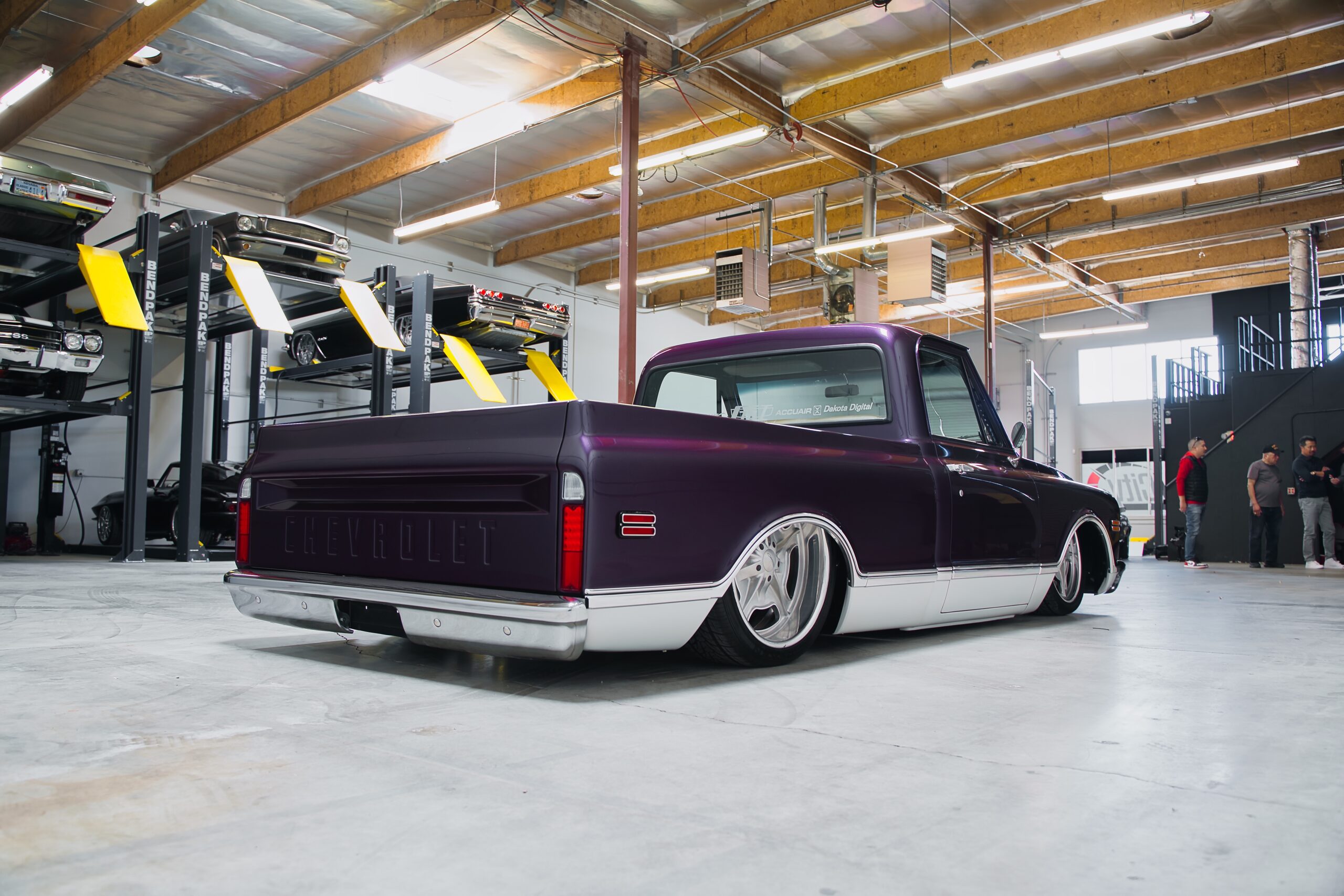
Spending winters in Las Vegas? Spending summers somewhere cooler? Here is the complete protocol for snowbird car storage — insurance, registration, fuel, battery, and the climate-controlled facility that handles it all.
The Las Vegas Valley is one of the top three snowbird destinations in the western US — Henderson, Summerlin, Lake Las Vegas, MacDonald Highlands, The Ridges, and Sun City Anthem all hold significant snowbird populations. Snowbirds typically live in Las Vegas October through April and spend summer months in cooler climates (Pacific Northwest, Northern California, Colorado, Montana, Idaho, or back in Canada). Their vehicles — commonly a luxury daily driver plus one or two collector cars — need 5–7 months of climate-controlled storage during the 115°F Las Vegas summer. The wrong protocol costs $10,000–$50,000 in cumulative damage over a decade. The right protocol costs less and delivers the vehicles in identical condition every fall. At REVCity Auto Storage — 7185 Bermuda Rd, Las Vegas NV 89119, 725-272-1803 — snowbird clients are a core customer segment. The seasonal protocol below covers insurance, registration, fuel, battery, tires, and all the operational details that snowbirds typically have to coordinate themselves.
The typical Las Vegas snowbird household maintains 2–4 vehicles. One is the daily driver used in winter. One or two are collector / weekend vehicles. Sometimes there is a separate summer vehicle stored in the home market. The Las Vegas storage profile depends on which vehicles stay in Las Vegas through summer.
The single biggest snowbird mistake is keeping full driving coverage on stored vehicles. The premium savings from a storage endorsement (also called “laid-up” or “comprehensive only” coverage) commonly reach $1,500–$8,000 per year per vehicle on luxury and collector cars.
Nevada is a low-tax state and many snowbirds eventually convert primary residence to Nevada. The DMV considerations for stored vehicles depend on residence status, vehicle registration state, and how long the vehicle stays in Nevada.
The snowbird storage calendar revolves around Las Vegas heat exposure (peak May–September), the snowbird travel pattern (departure typically April–May, return October–November), and the maintenance intervals on stored vehicles.
| Month | Snowbird Activity | Vehicle Action | REVCity Coordination |
|---|---|---|---|
| March | Vehicle exercise; spring driving | Drive each stored vehicle 30+ min to operating temperature | Schedule retrieval for spring driving sessions |
| April | Pre-departure prep | Oil change, fuel stabilization, tire inflation, ceramic re-coat | Storage intake appointments |
| May | Snowbird departure to summer home | Vehicles delivered to climate-controlled storage | Intake protocol completed; storage active |
| June–August | Summer at northern residence | No action required; climate storage maintains vehicle | Photos and visual inspections available on request |
| September | Pre-return prep | Optional drive-through exercise on long-stored vehicles | Coordinate exercise drives if desired |
| October | Snowbird return to Las Vegas | Retrieval, reactivation of insurance, ready for winter driving | Retrieval appointments scheduled |
| November–December | Las Vegas winter driving season | Vehicles in active use; rotation to home garage and back | Climate storage continues for non-active vehicles |
| January–February | Holiday driving, F1 / SEMA events | Vehicles in active use | Event-specific storage / staging if needed |
Many snowbirds initially store vehicles in their Las Vegas home garage. The math looks favorable (no facility cost), but the cumulative damage over multi-year snowbird use commonly costs more than facility storage by year 3–5.
Snowbird storage is operationally different from year-round local storage. The owner is not available for spot questions or monthly walkthroughs. The facility handles operational details that local clients typically manage themselves.
Climate-controlled 50–70°F + 40–50% RH. BendPak 4-post lifts. Smart float chargers at every space. Storage receipts and insurance / DMV documentation included. Pickup and delivery available. Call 725-272-1803 to discuss snowbird seasonal protocol.