The facility’s policy does not cover your car. Your daily-driver policy probably does not either. Here is what actually pays out when a stored vehicle is damaged.
There is a conversation that happens at REVCity Auto Storage a few times a year, and it always goes the same way. An owner assumes the storage facility insures the car. It does not. The facility insures the building. What covers the vehicle sitting inside it is the owner’s own policy — and whether that policy actually responds depends on wording most people have never read. We are at 7185 Bermuda Rd, Las Vegas NV 89119, and if you want to talk through what your carrier will and will not do before you store, call 725-272-1803.
A storage facility carries general liability and property coverage. That protects the structure, the equipment and the business against claims. It is not a bailee policy covering the market value of every vehicle on the floor, and no reputable facility in Las Vegas or anywhere else represents it that way. Read any storage agreement and you will find a clause requiring the customer to maintain their own coverage.
That is not a facility dodging responsibility — it is how the economics have to work. A building holding sixty vehicles with an aggregate value north of $12 million cannot underwrite that exposure and still charge a monthly rate anyone would pay. What a good facility does instead is remove the perils: climate control, sealed construction, monitored gated access, no public foot traffic, and lifts that keep cars off the floor.
"If my vehicle is damaged while in commercial storage and not being driven, does my policy respond, and on what valuation basis?" If the answer involves the words "actual cash value," you have a problem on a collector car and you should keep reading.
Nearly every stored-vehicle situation resolves into one of four arrangements. They are not interchangeable and the cost difference between them is smaller than most owners expect.
The suspension route is where people get hurt. Dropping collision and liability on a stored car can save real money, but if your car is financed, the lienholder almost certainly requires continuous full coverage regardless of whether the car moves. Suspending it can technically place you in default. The mechanics of doing this properly are covered in the storage endorsement explainer, and the narrower question of what a standard policy already does is answered in does car insurance cover a stored vehicle.
This is the single most consequential line in a collector-car policy and it is worth being blunt about the difference. Under actual cash value, a total loss pays what the insurer determines the car was worth on the day of loss, minus depreciation. Under agreed value, you and the insurer settle on a figure when the policy is written, and that figure is what pays.
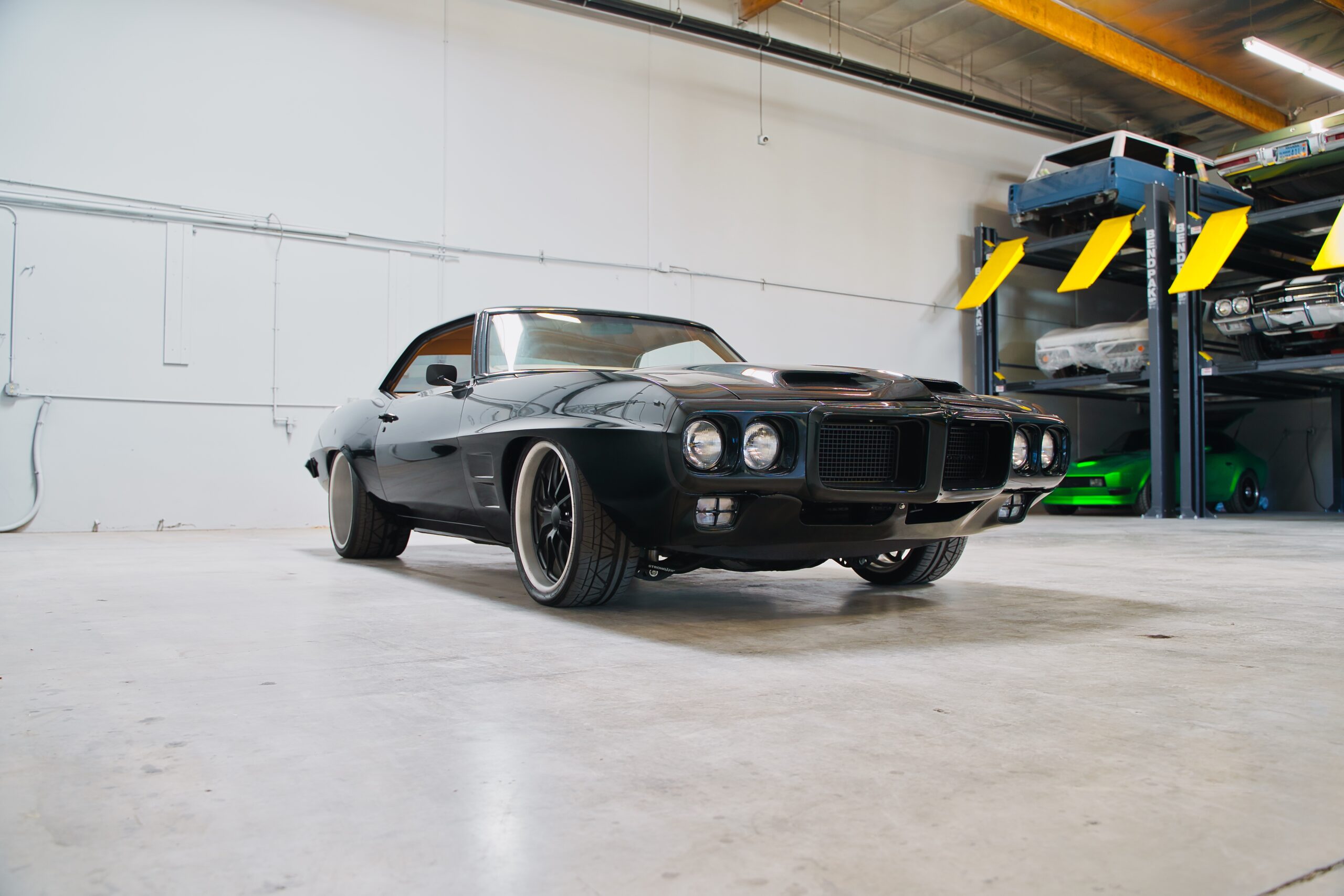
On a 2019 Camry the distinction is academic. On a numbers-matching 1969 Camaro with a $70,000 rotisserie restoration behind it, actual cash value is a trap — the adjuster reaches for comparable sales of unrestored cars and the gap between the cheque and the receipts is your money. Hagerty built its entire business on this distinction, and it remains the leading collector-car underwriter for exactly that reason.
Agreed value is not a handshake. Carriers want photographs of all four corners, both interiors, the engine bay, the VIN plate and the odometer, plus restoration receipts and an appraisal on higher-value cars. Assemble that file before the car goes into storage, not after something happens to it.
Agreed value also matters for a reason that has nothing to do with claims. A properly stored car holds its agreed figure at renewal; a car that has spent three summers baking outdoors does not, and the carrier will notice at the next appraisal. What separates a facility that preserves the number from one that quietly erodes it is covered in luxury versus standard car storage.
Adjusters think in named perils. It is worth knowing which ones are live in this valley, because they are not the ones a policy written for a coastal market anticipates.
Note the pattern: the peril most likely to cost a Las Vegas owner real money — cumulative heat and ultraviolet damage — is the one no policy pays for. Interior cabin temperatures reach 160–190°F in an unconditioned building here, and the UV index sits at 10–12 from May through September. That damage is uninsurable, which makes it an engineering problem rather than an insurance problem. The full damage mechanism is here, and the reason temperature control alone is not enough is in climate controlled versus temperature controlled.
When you place a collector policy, the carrier asks where the car lives. The answers change the premium and occasionally decide whether they will write it at all. These are the questions that come up:
Those answers are worth money. Several collector carriers apply a secured-indoor-storage credit, and while the discount varies by carrier and by state, it is common enough to be worth asking about explicitly when you place or renew. Bring the facility details to the conversation. Details on the lift system are in how BendPak lifts work in storage.
Ask for three things in writing: proof of the facility’s general liability coverage, the clause defining what the facility is and is not responsible for, and whether they require you to name them as an additional interest. A facility that hesitates on any of those is telling you something.
Do these five things in this order and the insurance side of storing a car is finished in an afternoon.
If you are storing seasonally rather than indefinitely, the coverage decision interacts with how often you plan to pull the car out — the snowbird guide covers that pattern, and long-term storage in Las Vegas covers the multi-year case.
This article is general information about how storage coverage is typically structured. Policy wording, available endorsements and credits vary by carrier and by state. Confirm the specifics with your own agent before you make a change.
REVCity is on Bermuda Road, minutes from Harry Reid International and off the flood-prone washes that make ground-level open storage a monsoon-season liability. Convenient for the drop-off, and an easy set of answers when your underwriter asks.
Approximate drive times from 7185 Bermuda Rd, Las Vegas NV 89119. Actual times vary with traffic and route.
No. Storage facilities carry general liability and property coverage on the building and the business, not on the market value of customer vehicles. Every standard storage agreement requires the customer to maintain their own coverage. The facility’s job is to remove the perils, not to underwrite the car.
No. Cancelling entirely removes comprehensive coverage, which is what protects against fire, theft, vandalism, water and rodent damage — the perils that actually occur in storage. If you want to reduce cost, suspend collision and liability while keeping comprehensive active, and only if the vehicle is not financed.
Agreed value means you and the insurer settle on the vehicle’s value when the policy is written, and a total loss pays that figure with no depreciation deduction. You need it for anything collectible, appreciating, restored or significantly modified. Actual cash value on a restored car routinely pays a fraction of what the restoration cost.
Almost never. Gradual deterioration from heat and ultraviolet exposure is excluded from essentially every auto policy as wear and tear. In Las Vegas, where unconditioned interiors reach 160–190°F and the summer UV index runs 10–12, this is the largest uninsurable risk a stored car faces — and the reason climate-controlled storage pays for itself.
It can. Many collector-car carriers apply a credit for secured, enclosed, climate-controlled storage, though the amount varies by carrier and state. Bring the facility specifics to your agent: enclosed construction, 50–70°F with 40–50 percent humidity control, gated 24/7 monitored access, and dedicated lift-equipped spaces.
Dated photographs of all four corners, both interiors, the engine bay, the VIN plate and the odometer; a written record of mileage, fuel level and tire pressures; restoration and modification receipts; and a current appraisal on higher-value vehicles. Hagerty and other collector underwriters request exactly this on an agreed-value claim.
Founder of REVCity Auto Storage and Nostalgia Hot Rods. Dustin has spent decades building, restoring, and protecting collector and exotic vehicles across the Las Vegas Valley. He built REVCity to be the climate-controlled facility he always wanted for his own cars. Read his story →
Enclosed, climate-controlled, gated and monitored, with a BendPak lift at every space. Call and we will give you the facility details your carrier will ask for.
REVCity Auto Storage · 7185 Bermuda Rd, Las Vegas NV 89119 · 725-272-1803
Related reading: Regency Towers Car Storage.