
Fluids to Change Before a Car Goes Into Storage
Most checklists hand you eight jobs in no particular order. Only three of them matter because the car is sitting still, and one of those is the reason people come back to a car with a problem.
A fluid list is easy to write and hard to use, because it doesn’t tell you what goes wrong first. REVCity Auto Storage is at 7185 Bermuda Rd, Las Vegas, NV 89119, holding 50 to 70°F and 40 to 50% relative humidity. Here’s the short version: fresh oil before it sits, fuel sorted, and brake fluid checked, because that last one is quietly the worst of the three.
Separate Storage Jobs From Ordinary Maintenance
This is the distinction every checklist skips, and it’s the one that makes the list usable.
Some fluids go bad because time passes and the car is sitting. Others are just due whenever they’re due. A cabin filter doesn’t care that the car is parked. Brake fluid absolutely does, because it pulls water out of the air whether the wheels turn or not.
So the question isn’t what’s on the list. It’s which items are on the list because the car is going to sit, and those are the ones to do before the drop off rather than after you come back.
Engine oil, because used oil carries acidic combustion products that sit against bearing surfaces for months. Fuel, because ethanol blend petrol separates and the water goes to the bottom of the tank where the pump is. And brake fluid, because it is hygroscopic and absorbs water from the air continuously. Everything else on a typical list is maintenance you would have done anyway.
Ranked by What Fails First
Here they are in the order that matters, with why rather than just what.
| Fluid | Why storage makes it worse | When to deal with it |
|---|---|---|
| Engine oil. | Used oil holds acidic combustion products that sit on bearing surfaces. | Change it before the car goes in, then run the engine so fresh oil circulates. |
| Fuel. | Ethanol blend petrol separates and the water settles where the pump draws. | Before storage. Stabilise it and fill the tank to cut the air space. |
| Brake fluid. | Hygroscopic. It absorbs water from the air whether you drive or not. | Check the age before storage. This is the one that gets forgotten. |
| Coolant. | Corrosion inhibitors deplete with age rather than with use. | Top up and check concentration before, replace on its normal interval. |
Our own long term protocol already carries the figures behind that table: brake fluid absorbs roughly 3% water a year, ethanol blend fuel separates inside a 90 to 180 day window, and coolant inhibitors deplete across 3 to 5 years. Those numbers are set out in how to store a classic car long term, which is the full fourteen step version of this page.
Notice what that ordering does to the usual advice. Oil gets all the attention because it’s the easy job to picture. Brake fluid gets almost none, and it’s the one with a safety consequence when you come back.
The Fuel Half Has Its Own Page, and Its Own Argument
Fuel is the fluid people argue about most, so it’s worth saying where the detail lives rather than repeating it badly here.
The short version is that pump petrol in this market is usually an ethanol blend, ethanol attracts water, and a part filled tank gives it plenty of air to draw from. Fill the tank and stabilise it and you’ve removed most of the problem. Storing a car on ethanol free fuel makes the case for avoiding the blend altogether, and ethanol and classic car storage covers what it does to older fuel systems specifically, which is a different and nastier problem than it is on a modern car.
One point the generic lists get backwards: draining the tank is not usually the answer. An empty steel tank has an air space and a surface for condensation. Full and stabilised beats empty for almost everyone.
Why Las Vegas Changes the Timetable
Every number above assumes a temperature. Chemistry runs faster when it’s hot, and this valley is hot for months at a time.
A car sitting in an uncooled garage here spends the summer at an interior temperature far above the outside air, which is the subject of what Las Vegas heat does to a car. Fluids degrade on a schedule set by the temperature they sit at, so the same car in the same months ages differently depending on the building.
That’s the practical case for a controlled building rather than a marketing line. We hold 50 to 70°F and 40 to 50% relative humidity year round, in a sealed building with no daylight. It doesn’t stop fluid chemistry. It slows it to the rate the manufacturer’s intervals assume.
The humidity half matters for brake fluid in particular, because the water it absorbs comes out of the air around it. What humidity a stored car actually needs covers why that range has a floor as well as a ceiling.
What We Do and What We Do Not Do
Being straight about this saves a phone call.
| What we do | What we do not do |
|---|---|
| Hold the climate the fluids sit in. | Change oil, fuel or brake fluid. |
| Keep the battery on a quality tender. | Recommend a brand or a viscosity. |
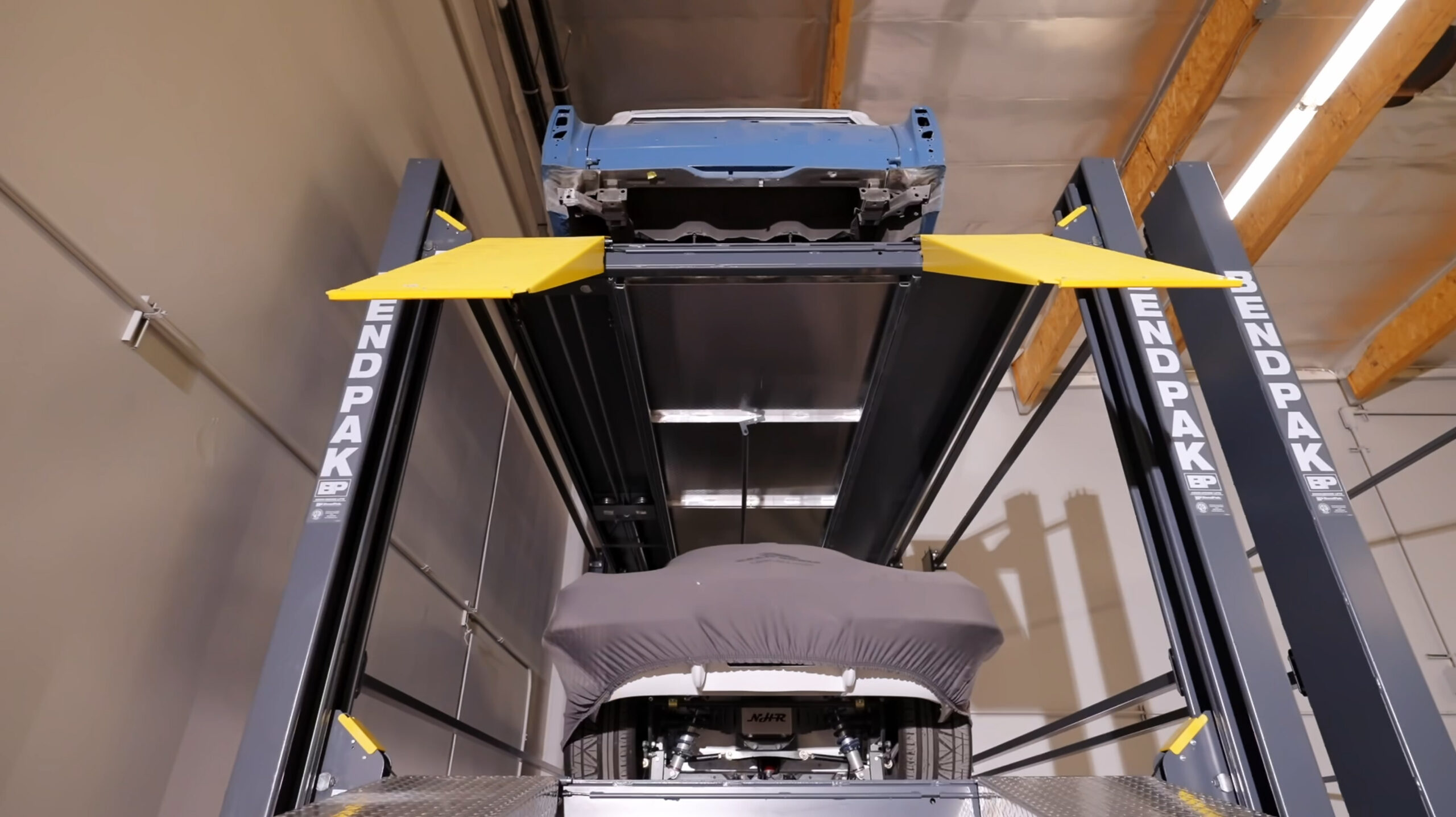
| Keep the car on a four post lift. | Quote a price for any service. |
| Tell you what we would check. | Work on a car in storage. |
We’re a storage building. The car should arrive prepared, which is why we’d rather send you to your own shop with a clear list than imply we’ll handle it. If you want the work done before the car comes in, do it first and bring it straight here.
On insurance and liability, one thing is worth knowing: a storage building’s policy covers the building and the building’s negligence, not your vehicle, and a mechanical problem that developed while a car sat is nobody’s claim. Keep your own cover in force. How insurance works on a stored vehicle sets that out, and if you’re also thinking about the plates, registration and insurance while your car sits in storage covers the Nevada order of operations.
The Drop Off, and What to Bring
Short and worth getting right, because the sequence matters more than the products.
Do the fluid work first, then bring the car in. Fresh oil wants the engine run afterwards so it circulates, and that’s easier at your shop than in our driveway. Bring it clean and dry as well, because settled grit is abrasive and a wash before storage is worth more than anything you can do later.
Most owners book a walkthrough before committing. From there we schedule a drop off and go through the intake with the car in front of us. How to prepare a car for long term storage is the full checklist, and what to ask a storage facility before you book is worth reading before you choose anywhere.
Coming back out matters too, and it isn’t just turning the key. How to start a car that has been in storage covers the order: check the fluids you prepared, prime the oil system, test the brakes before you rely on them. What a month costs depends on the vehicle and the space it needs, so ask rather than work from a number you saw somewhere else.
Owners store with us from Summerlin, Henderson, The Ridges, MacDonald Highlands, Seven Hills, Southern Highlands, Lake Las Vegas and Boulder City.
Frequently Asked
Three matter because the car is sitting: engine oil, fuel and brake fluid. Change the oil and run the engine so fresh oil circulates, fill and stabilise the fuel, and check how old the brake fluid is. Coolant should be topped up and at the right concentration but replaced on its normal interval.
Before. Used oil carries acidic combustion products, and those sit against bearing surfaces for however long the car stands. Changing it afterwards means the car spent the whole stay with the wrong oil in it.
Usually not. An empty tank leaves an air space and a surface for condensation. A full tank with a stabiliser leaves far less room for moisture, which is why full and stabilised beats empty for almost everyone.
Because it is hygroscopic, meaning it absorbs water out of the air whether the car is driven or not. Our own long term protocol puts that at roughly 3% a year. It is the fluid people forget and the one with a safety consequence when you come back to the car.
No. We store vehicles and we would rather say that plainly than imply otherwise. Do the work at your own shop first and bring the car straight here. What we do is hold the climate those fluids sit in, at 50 to 70°F and 40 to 50% relative humidity.
It changes the rate. Fluid chemistry runs on the temperature the fluid sits at, so a car spending summer in an uncooled garage here ages its fluids faster than the same car in a controlled building. Call 725-272-1803 to ask about space.
Prepare It Once, Properly
Climate controlled storage for exotic, classic and collector vehicles at 50 to 70°F and 40 to 50% relative humidity, with a BendPak four post lift at every space, quality battery tenders and 24 hour monitored gated access. 7185 Bermuda Rd, Las Vegas, NV 89119.
7185 Bermuda Rd, Las Vegas, NV 89119