
Month To Month Or Long Term Car Storage?
Two facilities quote you a monthly rate and one is lower. That tells you almost nothing about which will cost you more, and here’s the arithmetic that does.
Everything written about this compares monthly rates, and the monthly rate is the one number that doesn’t settle it. Three things decide what you actually pay, and none of them appears in an advertised price. REVCity Auto Storage is at 7185 Bermuda Rd, Las Vegas, NV 89119 and you can call 725-272-1803 for a real figure, but work through this first so you know what you’re comparing.
Nobody Mentions That Part Months Aren’t Prorated
This is the one that catches people out, and it’s almost never written down.
Vehicle storage is usually billed by the whole month. Need a space for three weeks and you’ll very often pay for a full month. Need it for five weeks and you may well pay for two. The published guidance across the storage trade treats this as so ordinary it isn’t worth saying, which is exactly why nobody says it.
Work out your whole months before you compare anything. A facility at a higher monthly rate that bills you for one month can be cheaper than a lower rate that bills you for two.
| What you need | Whole months you may be billed | Which rate wins |
|---|---|---|
| 3 weeks | 1 | The one with the lower monthly rate |
| 5 weeks | 2 | Depends entirely on the second month |
| 7 weeks | 2 | The one with the lower monthly rate |
| 9 weeks | 3 | Ask about the third month before you book |
| 6 months | 6 | Ask what happens at month seven |
Ask the question directly. Is a part month prorated, or is it billed whole? It takes ten seconds and it changes the sum.
An Introductory Rate Has A Month Seven
The second thing that isn’t in the advertised number is how long that number lasts.
The trade’s own pricing guides warn about this, so it’s worth repeating. An attractive monthly rate is often an introductory one, discounted for the first three to six months, after which it steps up to the standard price. If you’re planning a long stay, the month seven price is the one to compare, not the month one price.
Ask what the rate will be in month seven, and ask for it in writing. A facility that bills a flat rate throughout will tell you so immediately. One that steps up will have to explain, which is the information you wanted.
None of this makes an introductory rate a trick. It’s a normal way to price a service. It just means the number on the advert and the number you’ll be paying for most of the stay are two different numbers.
What’s Actually Included Is The Third Number
Two rates can be for completely different products, and this is where the comparison usually goes wrong.
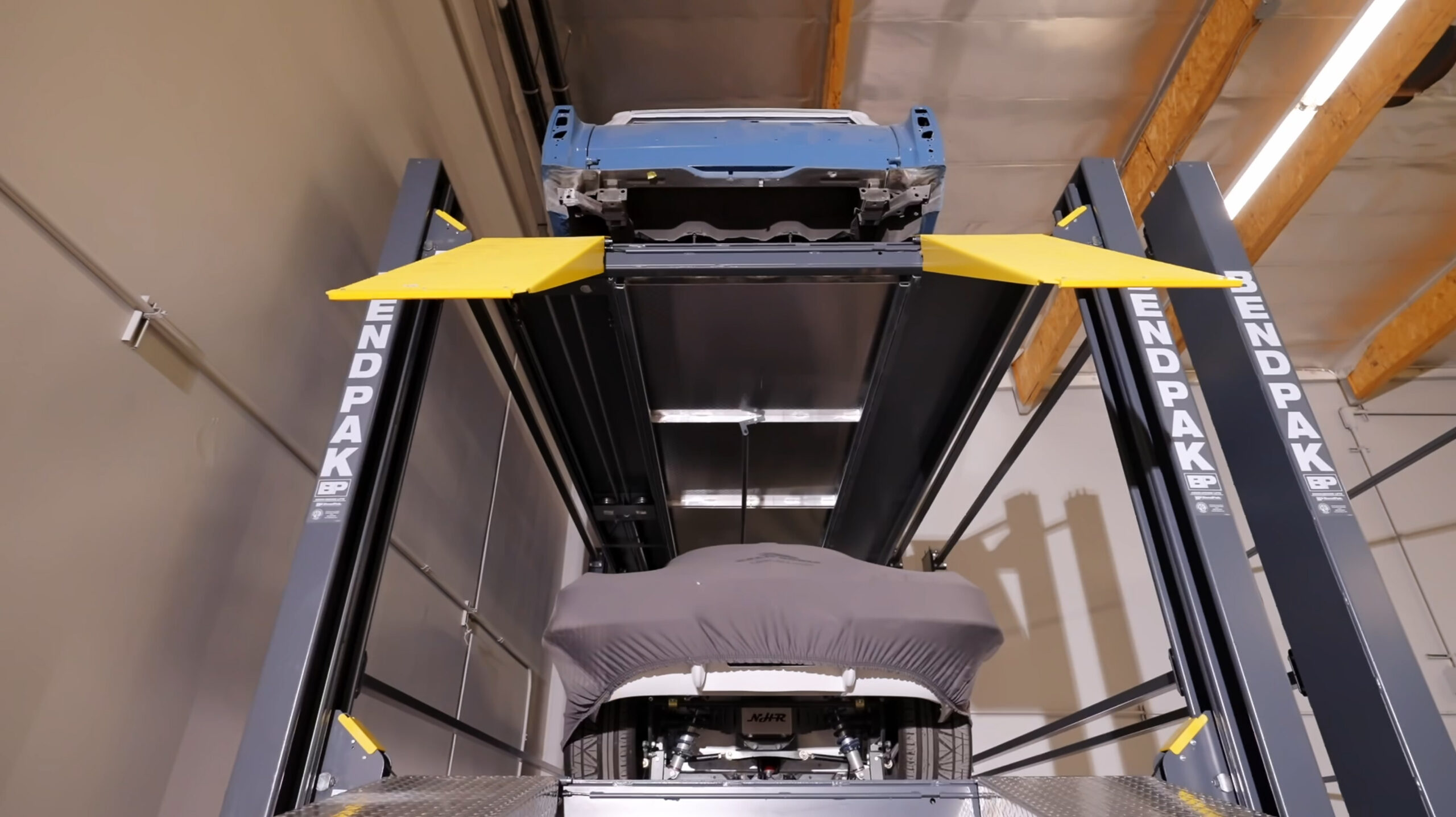
A space in a sealed, conditioned building with a lift under the car is not the same thing as an outdoor slot behind a fence, and no rate comparison that treats them as interchangeable is telling you anything useful. The cheaper line can easily be the more expensive decision once a set of tyres or a paint correction gets added to it.
Here’s what to put side by side instead of two monthly figures.
| What to compare | Why it changes the real cost |
|---|---|
| Is it indoors and sealed | Sun and dust do the expensive damage here |
| Are temperature and humidity actually held | Shade is not climate control |
| Is the weight off the tyres | A flat spot can mean four new tyres |
| Is there a battery tender | Otherwise expect a dead battery |
| How is access controlled | A public roller door is not a gate |
| What is billed on top | Admin, insurance requirements, late fees |
Those apply wherever you end up, and the wider list of questions worth asking covers the rest of them.
Two Line Items People Forget To Compare
Security and insurance both sit inside the price, and both are easy to leave out of a comparison because neither appears on the advert.
Security first. Gated access, monitoring around the clock and a staffed collection process cost money to run, and a facility that has them is pricing them in. One that doesn’t is cheaper for a reason. The question isn’t whether a site says it’s secure, because they all do. It’s whether access is actually controlled, whether the site is monitored, and whether anyone can tell you who handled your car and when. A public row of roller doors and a gated building with staff are different products at different prices.
Insurance is the other one, and it cuts both ways. Ask what the facility’s own liability covers and what it specifically excludes, and get that in writing rather than as a reassurance on the phone. Then ask what cover they require you to carry. Some operators want proof of your own policy before a car comes in, and a requirement like that is a real cost you should price alongside the monthly rate.
Your own insurer has a view too. A stored car is usually insurable on different terms from one you drive daily, and reducing a policy while the car is off the road is common. That’s a conversation with them, not a decision the facility makes for you, and it’s worth having before you commit to a term.
How Long Do You Actually Need It For?
Be honest about this, because the answer usually moves and the arrangement should cope with that.
Short stays have their own shape. A renovation, a trip, a sale in progress. What a short stay needs is not a smaller version of a long one, and the whole month billing above matters most here. A renovation that was going to take four weeks and takes eleven is the ordinary outcome, not the exception, and planning around a date that moves is worth thinking through before you book.
Long stays shift the weighting. Over six months, what the building does to the car matters far more than a few dollars either way on the rate. What changes on a genuinely long stay is mostly about tyres, battery and air, and whether the conditions are held or just shaded is the thing that decides how the car comes out.
What We Won’t Put On A Web Page
Worth being straight about, since this is a page about pricing.
We don’t publish a rate here, we don’t publish a minimum term, and we’re not going to tell you on a web page whether a part month is prorated. Those depend on the car, the length of the stay and what’s available, and a number posted here would be wrong for most people reading it.
What we will do is answer all three on the phone, plainly, before you commit to anything. Ask about the rate, ask whether it changes after a few months, and ask how part months are billed. If a facility won’t answer those three, that’s an answer too.
Call 725-272-1803 and tell us the car and roughly how long. You’re welcome to come and walk the building first, and a walkthrough before you book is normal rather than a favour.
What You Still Have To Do Either Way
The term you choose doesn’t change the preparation much, which surprises people.
Wash it before it goes in, whatever the length of stay. Sort the fuel and the battery. Tell your insurer where the car is going, because a stored car is usually insurable on different terms from one you drive daily and that’s a conversation with them rather than a decision the facility makes.
Then book a drop off time and give yourself margin. Check in takes a little longer than handing over keys, because we go over the car with you and record its condition, and that record is what protects you if anything is ever disputed.
We’re at 7185 Bermuda Rd, Las Vegas, NV 89119, a few minutes from the airport and an easy run from the Strip, Henderson and Summerlin.
Frequently Asked
Usually, yes. The storage trade generally bills by the month, and longer commitments often carry a lower monthly rate in exchange for the commitment.
Ask before you book. Part months are frequently billed whole across the trade, which means collecting on the second of the month can cost the same as collecting on the thirtieth.
Because it would be wrong for most people reading it. The figure depends on the car, the length of stay and what’s available. Call and we’ll give you a real one.
Often. An outdoor slot at a lower rate that costs you four tyres and a paint correction is not the cheaper option, it just looked like it on the advert.
Three things. What is it, does it change after a few months, and how are part months billed. Get all three before you commit.
Not really different, just done properly. Wash it, sort the fuel and battery, and tell your insurer. The longer the stay, the more every shortcut compounds.
Get A Real Number Instead Of An Advertised One
Tell us what the car is and roughly how long you think you need. We’ll give you the rate, tell you straight whether it changes later, and explain how part months work before you decide anything.
